Artificial Intelligence, or AI as we love to call it, has an interesting history that goes back over half a century. The idea of machines that can think or simulate human behavior first came about in the 1950s. Back then, scientists were just starting to explore how computers could be programmed to perform tasks typically associated with human intelligence, like problem-solving and understanding language.
A big moment in AI's early days was the Dartmouth Conference in 1956. This gathering brought together some of the brightest minds of that time, including John McCarthy, Marvin Minsky, and Allen Newell. They believed that if machines could replicate human thought processes, they could tackle complex issues that humans face. Their enthusiasm laid the groundwork for many AI projects and sparked ongoing research into machine learning, robotics, and natural language processing.
In the following decades, AI experienced ups and downs—often referred to as “AI winters” when funding and interest would dry up. Even during these tough times, researchers continued to make progress. They developed algorithms and models that allowed computers to learn from data, gradually improving their ability to perform tasks over time.
Fast forward to the 21st century, and you can see how far AI has come. With the explosion of data, advancements in computing power, and breakthroughs in deep learning, AI is now a part of our everyday lives. From virtual assistants to recommendation systems, it’s hard to escape its impact. The journey of AI is a fascinating blend of ambition, creativity, and perseverance, helping to shape our future in ways we’re just beginning to understand.
Key Milestones in AI Development
Artificial Intelligence has come a long way since its early days. Let’s highlight some key milestones that shaped the journey of AI development.
One of the earliest recognizable moments was in 1956 when John McCarthy organized the Dartmouth Conference. This gathering of brilliant minds marked the birth of AI as a field. Think of it as the first big family reunion for all things AI! Researchers were buzzing with ideas about machines that could think and learn.
Fast forward to the 60s and 70s, when we saw the development of programs like ELIZA, which could carry on a conversation, even if it was just mimicking a therapist. This was a simple yet impressive step toward true conversational AI. It gave people a glimpse of what machines could do when it came to human interaction.
The 1980s saw a shift with the rise of expert systems, which used rules and data to solve problems in specific fields like medicine and finance. These systems were sort of like the early ancestors of today’s recommendation engines. They helped pave the way for more advanced AI applications we enjoy now.
Then, in the 2000s, we entered the age of machine learning. With the growth of faster computers and access to massive amounts of data, AI began to flourish. Algorithms improved significantly, allowing machines to recognize patterns and learn from experiences on their own, leading to breakthroughs in areas like image and speech recognition.
How AI is Shaping Our World
The world is buzzing with talk about artificial intelligence, and it’s no wonder! AI is changing how we live, work, and interact with each other. From smart assistants like Siri and Alexa being your go-to helpers to advanced algorithms predicting what you might want to watch next on Netflix, AI is becoming a part of our everyday life.
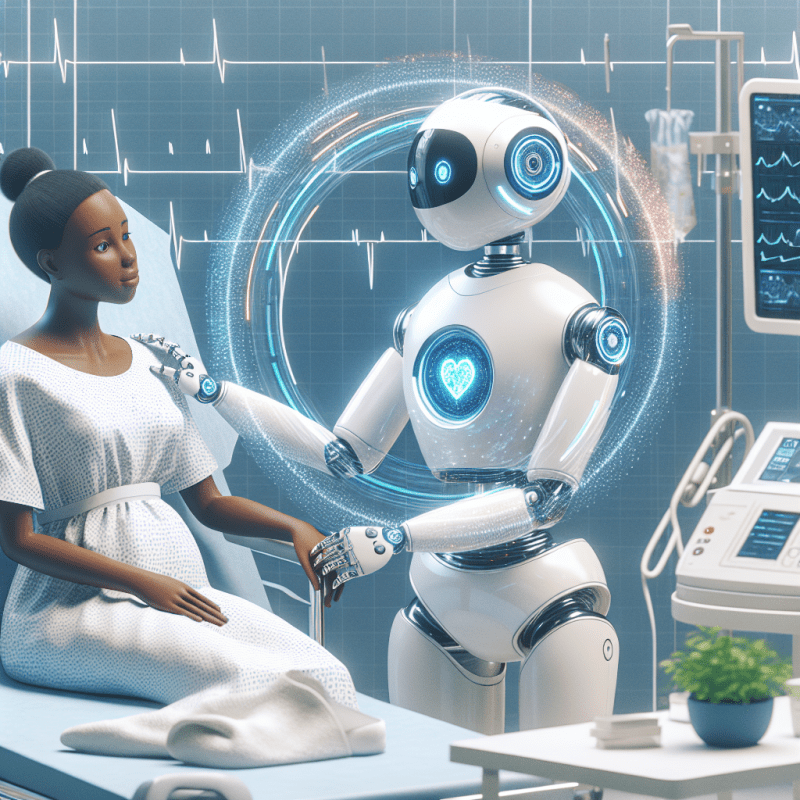
One major area where AI is making a big impact is in healthcare. Imagine doctors using AI to analyze medical data. This helps them spot patterns and make better decisions for patient care. AI can even assist in diagnosing diseases more quickly than before, which means patients can get the help they need faster.
Apart from healthcare, AI is shaking things up in business, too. Companies are using AI to analyze customer preferences, streamline operations, and even personalize marketing. It’s like having a smart assistant that knows what your client needs before they even ask! This not only improves customer satisfaction but also boosts sales for businesses.
But AI isn't just for big businesses. Everyday people are benefiting from it in fun ways, like through personalized recommendations on shopping sites. Ever noticed how your favorite stores seem to know exactly what you want? That’s AI working behind the scenes, making your shopping experience smoother and more enjoyable.
As AI keeps evolving, the possibilities seem endless. It's transforming industries, personalizing experiences, and even pushing boundaries in education and research. We’re just scratching the surface of what AI can do, and it’s exciting to think about what the future holds!
Future Trends in Artificial Intelligence
Artificial Intelligence (AI) is evolving at lightning speed, and the future is packed with exciting trends that are set to reshape our world. One of the most talked-about areas is the growth of ethical AI. As tech companies and consumers become more aware of the implications of AI, there’s a push for developing algorithms that are fair and transparent. People want to know how the decisions are made and ensure that AI respects privacy and doesn’t perpetuate biases.
Another trend to keep an eye on is the rise of AI in everyday gadgets. From smart speakers to kitchen appliances, AI is being integrated into our daily lives, making tasks easier and more efficient. Imagine your fridge that not only keeps your food fresh but also suggests recipes based on what’s inside. This personalized technology enhances our routines and offers convenience at our fingertips.
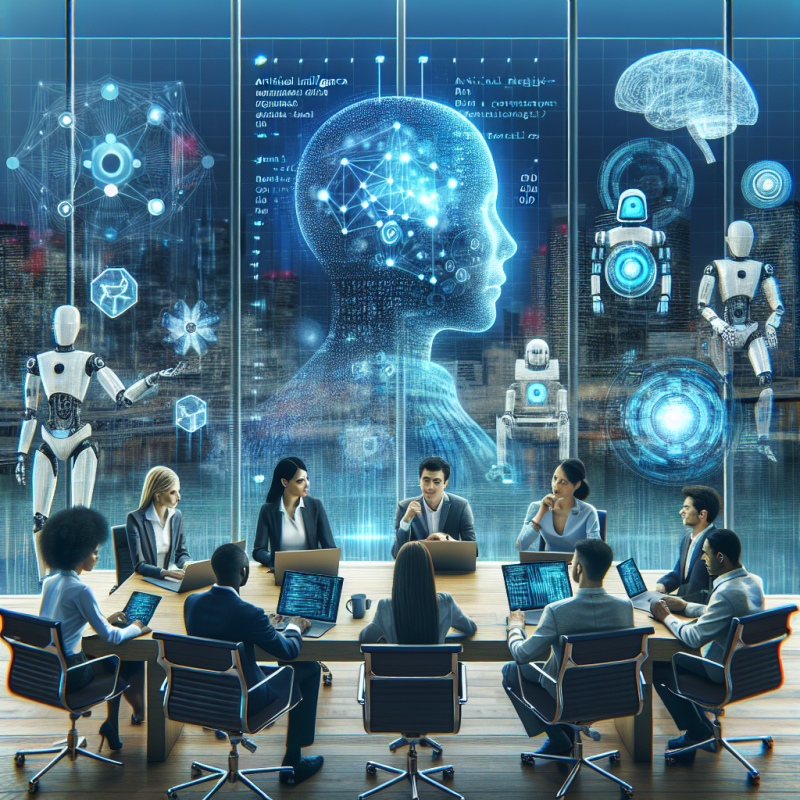
We’re also seeing a shift towards collaborative AI, where humans and machines work together rather than one replacing the other. This partnership can lead to much better decision-making, as humans provide the creativity and emotional intelligence, while AI brings in the data crunching and pattern recognition. It’s like having a super-smart assistant to help us with both mundane tasks and complex challenges!
Lastly, the field of AI education is becoming more important. As AI continues to grow, there’s a greater need for people to understand how it works and its potential impacts. More schools and online platforms are offering courses on AI basics, coding, and ethical considerations, making this knowledge accessible to everyone. Learning about AI today will empower the innovators of tomorrow.